
Laboratoires Expanscience (main brands: Mustela and Babo Botanicals)
1.6
Paris, France
April 2018
Pharmaceutical products
Manufacturing
France,
Mexico,
Peru
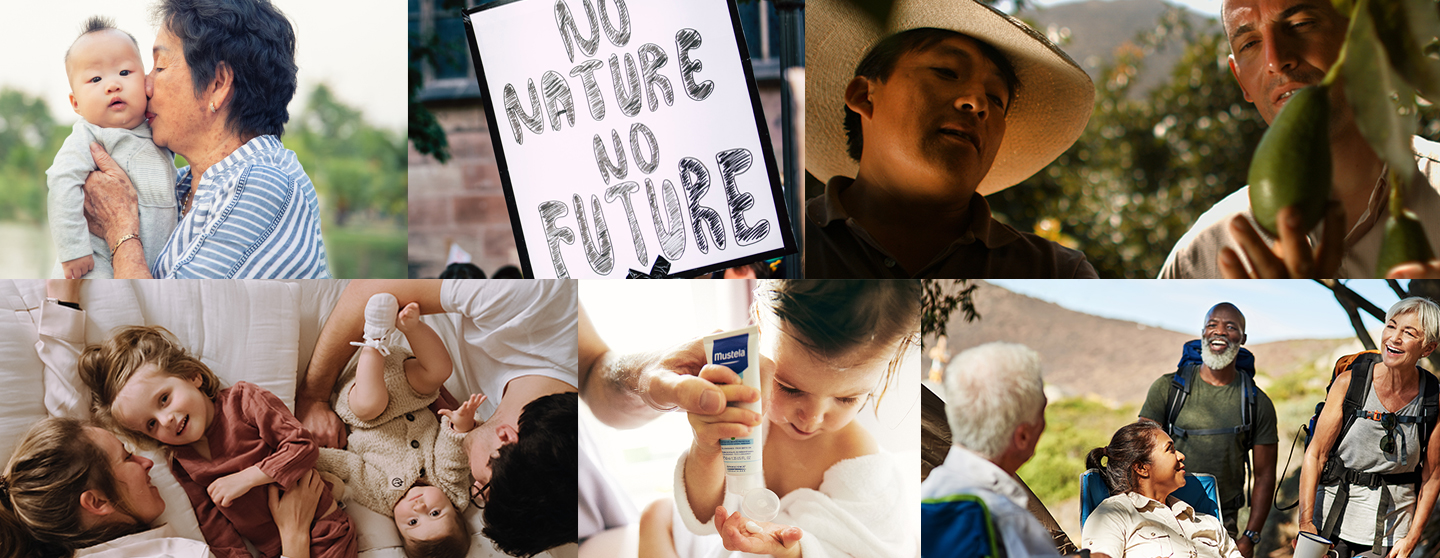
On ne se donne pas à fond sans une bonne raison… Chez Expanscience, nous sommes une société à mission, et notre raison d’être est d’aider chacun à façonner son bien-être, de l’enfance à la séniorité. C’est ce qui nous fait avancer, chercher, innover depuis plus de 70 ans. Indépendants dans l’âme, nous sommes une entreprise française, 100% familiale, avec des produits présents dans plus de 90 pays et des marques comme Mustela, Babo Botanicals, Piasclédine 300 et Iana, ainsi qu’une offre B2B d’actifs d’origine 100% végétale. Pour nous c’est clair : le bien-être des femmes et des hommes est indissociable de la santé de la planète, et se trouve entre nos mains, à tous. Notre impact positif sur la société et l’environnement est reconnu par la certification B Corp et à travers notre programme de RSE « impACT », nous nous engageons à devenir une entreprise à impact positif et à visée régénératrice.
Overall B Impact Score
Governance 18.8
Governance evaluates a company's overall mission, engagement around its social/environmental impact, ethics, and transparency. This section also evaluates the ability of a company to protect their mission and formally consider stakeholders in decision making through their corporate structure (e.g. benefit corporation) or corporate governing documents.
What is this? A company with an Impact Business Model is intentionally designed to create a specific positive outcome for one of its stakeholders - such as workers, community, environment, or customers.
Workers 30.5
Workers evaluates a company’s contributions to its employees’ financial security, health & safety, wellness, career development, and engagement & satisfaction. In addition, this section recognizes business models designed to benefit workers, such as companies that are at least 40% owned by non-executive employees and those that have workforce development programs to support individuals with barriers to employment.
Community 23.6
Community evaluates a company’s engagement with and impact on the communities in which it operates, hires from, and sources from. Topics include diversity, equity & inclusion, economic impact, civic engagement, charitable giving, and supply chain management. In addition, this section recognizes business models that are designed to address specific community-oriented problems, such as poverty alleviation through fair trade sourcing or distribution via microenterprises, producer cooperative models, locally focused economic development, and formal charitable giving commitments.
What is this? A company with an Impact Business Model is intentionally designed to create a specific positive outcome for one of its stakeholders - such as workers, community, environment, or customers.
Environment 35.4
Environment evaluates a company’s overall environmental management practices as well as its impact on the air, climate, water, land, and biodiversity. This includes the direct impact of a company’s operations and, when applicable its supply chain and distribution channels. This section also recognizes companies with environmentally innovative production processes and those that sell products or services that have a positive environmental impact. Some examples might include products and services that create renewable energy, reduce consumption or waste, conserve land or wildlife, provide less toxic alternatives to the market, or educate people about environmental problems.
What is this? A company with an Impact Business Model is intentionally designed to create a specific positive outcome for one of its stakeholders - such as workers, community, environment, or customers.
Customers 13.3
Customers evaluates a company’s stewardship of its customers through the quality of its products and services, ethical marketing, data privacy and security, and feedback channels. In addition, this section recognizes products or services that are designed to address a particular social problem for or through its customers, such as health or educational products, arts & media products, serving underserved customers/clients, and services that improve the social impact of other businesses or organizations.
What is this? A company with an Impact Business Model is intentionally designed to create a specific positive outcome for one of its stakeholders - such as workers, community, environment, or customers.